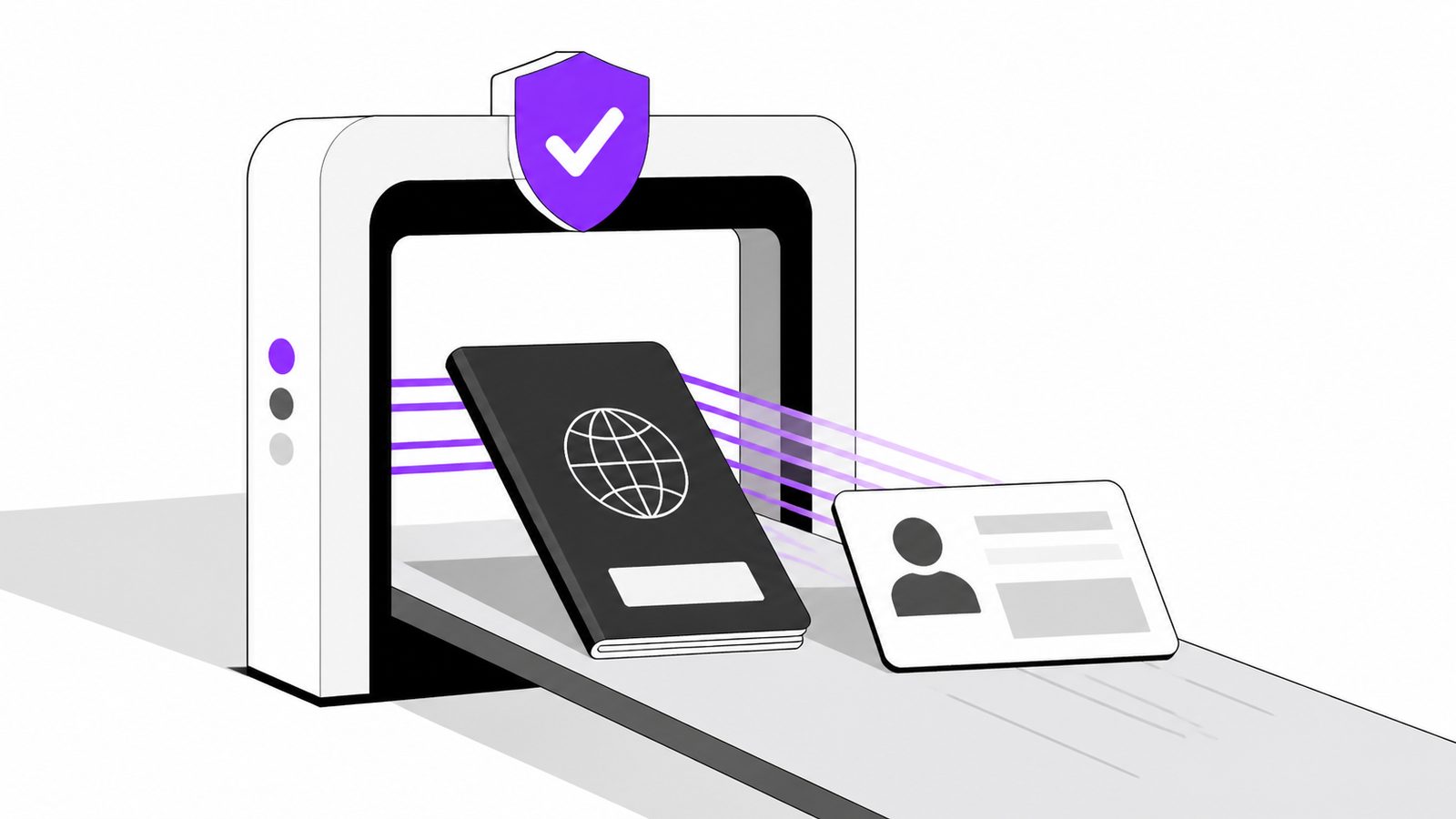
Know-your-customer verification, usually shortened to KYC, is not a casino-specific invention. It is the standard anti-money-laundering process that every regulated financial business has to run, and licensed casinos count as regulated financial businesses under the law of every serious jurisdiction that licenses them. There is no way to avoid it at a legitimate operator, and any site that advertises "no KYC ever" is either licensed nowhere serious or simply planning to run the check later, at the exact moment you try to withdraw. Understanding how the process works, what it is looking for, and how to clear it in one pass is the single biggest thing you can do to make withdrawals fast and painless.

What KYC actually is and why it exists
KYC is the process by which a regulated business confirms three things: that you are a real person, that you are who you claim to be, and that the money moving through your account is legitimately yours. Casinos did not choose to do this out of caution. They are required to by the terms of their licence, and those requirements flow from national and international anti-money-laundering law.
There are two forces pushing the process. The first is anti-money-laundering and counter-terrorist-financing rules. Gambling accounts can be used to launder criminal proceeds by depositing dirty money, playing a little, and withdrawing what looks like clean winnings. Verification and source-of-funds checks exist to make that difficult and to create a paper trail regulators can inspect.
The second force is responsible gambling and player protection. Verifying identity lets an operator enforce age limits, apply self-exclusion registers so that someone who has excluded themselves cannot simply open a new account, and run affordability and harm-prevention checks. When a regulator finds that a casino failed to intervene with a customer showing signs of harm, KYC data is usually central to the enforcement case. So the check protects the operator's licence, but it is also meant to protect you.
Identity, address, and source of funds are three different checks
People tend to lump all verification together, but operators run it in layers, and knowing which layer you are in tells you what to expect.
Identity verification
This confirms you are a real, named individual of legal age. It is almost always the first check and usually the quickest, because it can be automated. You submit a government-issued photo ID and, increasingly, a selfie or short video so the system can match the face on the document to the person submitting it.
Address verification
This confirms where you live, which matters for tax, for confirming you are in a market the operator is licensed to serve, and for cross-checking against fraud databases. It relies on a recent document that shows your name and current address together, such as a utility bill or bank statement.
Source-of-funds and source-of-wealth checks
This is the deepest layer and the one players find most intrusive. Source of funds asks where the specific money you are gambling with came from. Source of wealth is broader and asks how you built your overall financial position. These checks are risk-based, meaning they are triggered by the size and pattern of your activity rather than applied to everyone. A casual player depositing modest amounts will rarely see them. A high roller almost certainly will.
When verification is triggered
The timing of KYC is where most of the confusion and frustration lives, because it varies by licence and by operator policy. The common trigger points are broadly consistent, even if the exact rules differ.
- At registration. Some regulated markets require full identity verification before you can deposit at all. In those markets there is no "play now, verify later" path.
- At first withdrawal. This is the most common single trigger. Many operators let you deposit and play immediately but hold your first cash-out until you have completed the full check. This is why the first withdrawal is so often the slow one.
- When a threshold is breached. Cumulative deposits, withdrawals, or turnover crossing a set amount will trigger checks even on an account that was previously light-touch. These thresholds are set by regulation and by the operator's own risk appetite.
- When an affordability or risk flag fires. Rapid deposits, chasing losses, a sudden change in staking behaviour, or a mismatch between your stated occupation and your spending can all prompt an intervention and a request for further documents.
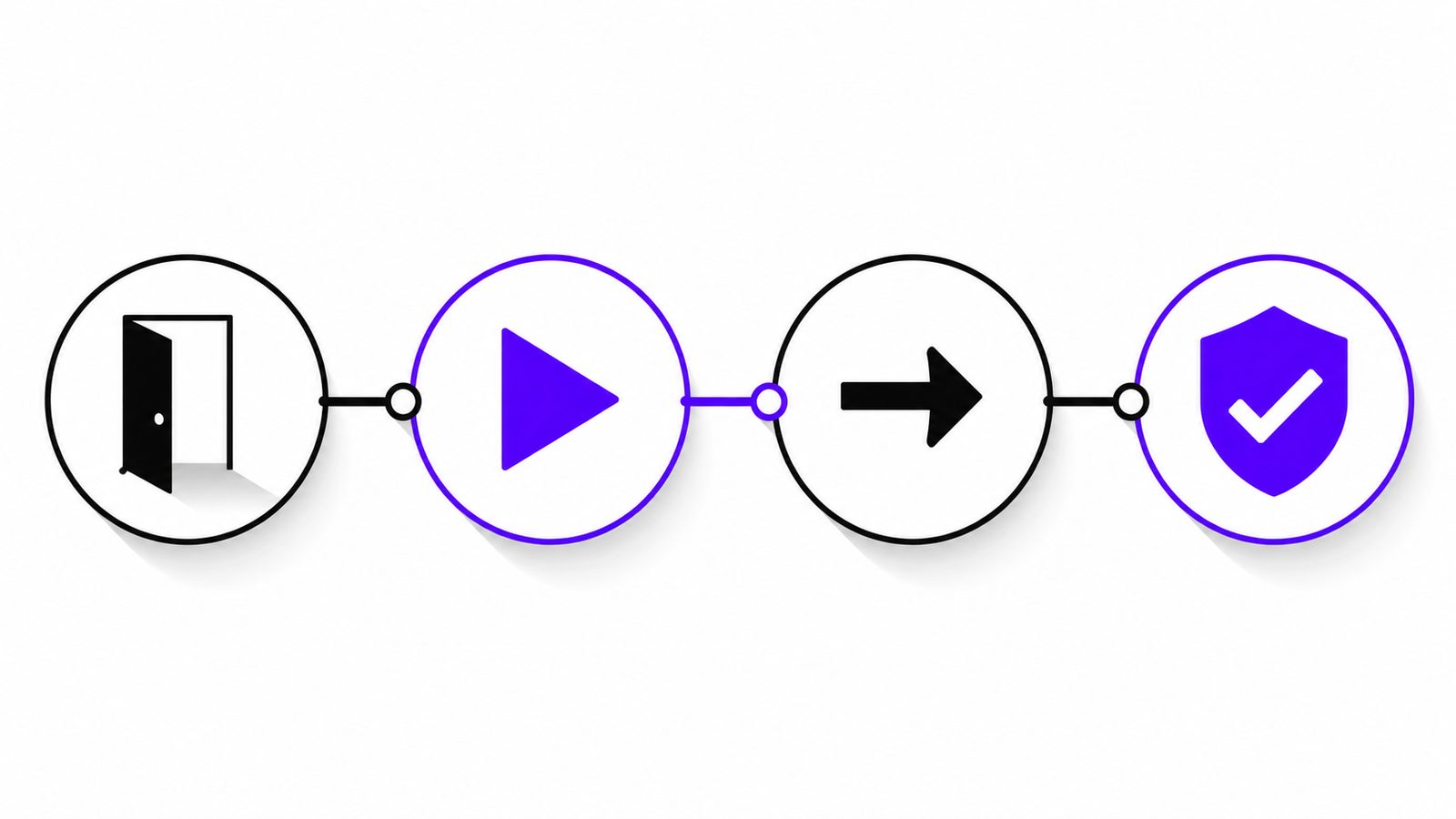
Because these triggers stack, an account can be fully usable for weeks and then suddenly ask for documents when you win big or increase your stakes. That is normal, not a sign the operator is inventing reasons to withhold your money, though it certainly feels that way in the moment.
Exactly what documents are accepted
The specifics vary between operators, so always read the casino's own verification page, but the categories below cover almost every request you will ever see.
Proof of identity
A current, in-date government-issued photo ID. In practice this means one of:
- A passport, which is the document review teams prefer because the photo page is standardised and hard to fake.
- A national identity card, where your country issues one.
- A photocard driving licence.
The document must not be expired, the photo must be clear, and every edge must be visible. Provisional or paper-only licences are often refused.
Proof of address
A document dated within the last three months that shows your full name and current address together:
- A utility bill for electricity, gas, water, or broadband.
- A bank or building society statement.
- A council tax bill or a letter from a government department.
Mobile phone bills are frequently not accepted, and neither are documents that hide the date or the address. A downloaded PDF or a clear photo of a paper document is what reviewers want.
Proof of payment method
This proves you own the method you deposited with:
- A photo of a bank card showing your name and the first and last digits, with the middle numbers and the security code on the back covered.
- A screenshot of your e-wallet account showing your name and account email or ID.
- A bank statement header showing the account the deposit came from.
Selfies and liveness checks
A growing number of operators ask for a selfie holding your ID, or a short "liveness" video where you turn your head or blink. This is a response to regulator pressure on fraud and identity theft, and it is not a red flag. It simply proves the person submitting the documents is the person in them.
Why your deposit method must be verified before you withdraw
This trips up a lot of players, so it is worth explaining plainly. Anti-money-laundering rules generally require winnings to be returned to a verified source, and the cleanest verified source is the method you used to deposit. If you paid in with a particular debit card, the operator will usually insist on paying back to that same card, up to the amount you deposited, before sending any surplus to another method.
There are two reasons. The first is fraud prevention: if a stolen card is used to deposit, forcing the refund back to that card means the thief cannot redirect the money to their own account. The second is the audit trail: money in and money out through the same verified channel is exactly what regulators want to see. It feels like an obstacle, but it is one of the main protections against your own account being used by someone else.
How long verification takes and why the first withdrawal is slowest
Automated identity checks, run by specialist providers, can clear in well under a minute when your documents are clean. Manual document review, which most address and payment checks still involve to some degree, typically takes a few hours to a couple of business days at a well-staffed operator. Smaller or newer operators running everything by hand can take 24 to 72 hours, and weekend submissions often sit in the queue until Monday.
The first withdrawal is almost always the slowest single event in your relationship with a casino, for a simple reason: it is usually the point where the full check runs for the first time. Everything after that tends to be quick, because your documents are already on file. So the slow first cash-out is not a permanent state of affairs, it is a one-off cost you pay once. If verification has been pending for more than three business days with no request for clarification, it is reasonable to chase it through live chat, as delays past that point are usually queue backlogs rather than a problem with your paperwork.
Common rejection reasons and how to avoid them
Almost every rejection comes down to a handful of avoidable mistakes. Getting these right the first time is the difference between a same-day withdrawal and a week of back-and-forth.
- Blurry, dark, or low-resolution scans. Photograph documents in daylight, in full colour, on a flat surface. A shadow across a passport photo page is enough for a reviewer to reject it.
- Cropped documents. All four corners must be visible. If any edge is cut off, the review team cannot confirm the document is complete and will send it back.
- Name mismatches. The name on your ID must match your account exactly. Maiden names, missing middle names, and accented characters that were dropped at signup all cause failures.
- Address format mismatches. If your account says "Flat 3" and your utility bill says "Apartment 3", some systems flag it. Match the wording your account uses.
- Expired ID. An out-of-date passport or licence is not a valid identity document, no matter how recently it lapsed.
- Out-of-date proof of address. Anything older than three months is usually refused. Screenshots of a banking app are also commonly rejected in favour of a downloaded statement.
The single best habit is to complete verification voluntarily, at signup, from the account settings, before you ever request a withdrawal. Doing it while there is no money waiting removes all the time pressure and means your first cash-out sails straight through.
Source of funds explained, and why high rollers hit it

Source-of-funds checks are the layer that surprises people, because they go beyond "who are you" to "where did this money come from". When one is triggered, the operator will ask for documentary evidence such as:
- Recent payslips showing employment income.
- Bank statements showing the money arriving and the balance it came from.
- Evidence of a specific event, such as a property sale, an inheritance, a redundancy payment, or dividend and investment income.
These checks are risk-based, which is why most casual players never encounter them and high rollers almost always do. Larger deposits, larger withdrawals, rapid escalation in stakes, or a pattern that does not fit your stated profile all raise the risk score and prompt the request. Being asked is not an accusation. It is the operator meeting its legal obligation to confirm that the money it is handling is legitimate. The way to make it painless is the same as everywhere else in KYC: send clear, complete, recent documents that match your account details, and respond promptly.
How your documents should be handled
You are handing over sensitive personal data, so it is fair to expect it to be treated properly. A responsible operator will collect only what it needs, store it securely and encrypted, restrict access to staff who need it, and keep it only for as long as the law requires before deleting it. Under data-protection law in most regulated markets you have rights over that data, including the right to ask what is held and, within limits, to have it erased once retention obligations expire.
Practical caution helps too. Upload documents only through the operator's own secure verification page or app, never by unencrypted email or to a live-chat agent who asks you to send them elsewhere. Cover the parts of a bank card that are not needed, namely the middle digits and the security code. If a site's verification process feels casual or asks for documents through informal channels, treat that as a warning sign about the operator generally, not just about that one request.
Enhanced due diligence
Enhanced due diligence, or EDD, is the intensified version of the standard checks. It is applied when the risk is higher, for example with very large transactions, with customers flagged as politically exposed persons, or where activity patterns are unusual. EDD can involve deeper source-of-wealth questions, more documentation, and ongoing monitoring rather than a single check. If you are subject to it, expect the process to be more thorough and to take longer, and expect the operator to come back with follow-up questions. It is not a punishment or a sign you have done something wrong, it is a proportionate response to a higher-risk profile that the operator is legally required to apply.
What to do if your account is frozen mid-verification
Having an account suspended while a withdrawal is pending is stressful, especially when your balance is locked. The calm, effective response looks like this:
- Read the message carefully. Operators almost always state exactly what they need. Most freezes are simply "we require a document before we can continue", not a final decision.
- Submit precisely what was asked for. Send the specific document, in the specific format requested, complete and clear. Guessing or sending the wrong thing restarts the clock.
- Keep everything in writing. Use live chat or email so you have a record, and note names and timestamps.
- Give it the stated time before escalating. If the operator quotes a review window, let it pass before chasing.
- Escalate to the licensing body if it stalls. If the account stays frozen well beyond a reasonable period with no clear reason, a formal complaint to the operator followed by a referral to its regulator or an alternative dispute resolution scheme is the proper route. A properly licensed operator is answerable to that regulator, which is precisely why the licence matters.
Frustrating as it is, a temporary freeze during verification is common and usually resolves once the requested document is on file. The players who struggle most are those who ignore the request or send incomplete documents repeatedly.
How KYC differs at unlicensed and offshore sites
At an unlicensed or loosely regulated offshore site, the appeal is often "no verification, instant withdrawals". The reality is riskier than it sounds. Some of these sites genuinely do little checking, which also means they do little to protect against fraud, underage gambling, or your account being taken over. Others advertise no KYC and then impose it, without any published rules, at the exact point you try to withdraw a large win, giving them wide latitude to delay or refuse payment with no regulator to appeal to.
The crucial difference is accountability. At a licensed operator the verification process is defined, the operator is bound by rules, and you have somewhere to complain if it goes wrong. At an unlicensed one, there is no defined process and no backstop, so a frozen balance can simply stay frozen. The absence of upfront checks is not a convenience, it is the removal of the protections that make a withdrawal enforceable. Our guide to how we verify licences explains what a genuine licence looks like and why it is the thing that gives KYC teeth.
How we assess verification friction in our reviews
Verification is one of the practical factors we weigh when we test an operator, because it is where the gap between a good and a bad casino shows up most sharply. When we review a site we look at how clearly the verification requirements are published before you sign up, whether documents can be uploaded through a proper secure portal, how long the checks take in practice, how the first withdrawal is handled, and how the support team responds when something is queried. An operator that verifies quickly, communicates clearly, and pays the first withdrawal without unnecessary friction scores well. One that hides its requirements, loses documents, or lets balances sit frozen without explanation scores badly, however attractive its bonuses look.
If fast payouts matter most to you, our list of fastest-payout casinos prioritises exactly this: operators whose verification is smooth and whose withdrawals clear quickly once you are verified. You can browse everything we have tested in all reviews, and if you are playing from Britain, our UK casinos page focuses on operators regulated for that market, where verification standards and player protections are set by the local regulator.
The bottom line is simple. KYC is unavoidable at any casino worth trusting, and that is a feature rather than a bug. Complete it once, voluntarily, with clean and matching documents, and it becomes a one-off formality you never think about again. Try to dodge it by choosing a site that does not bother, and you give up the very protections that make sure you actually get paid.