
Self-exclusion and player-protection tools are the practical controls that let you set the terms of your own play, or step away entirely. Every well-run regulated market builds these tools into the experience, from national registers that block an entire licensed market in one step, down to a single reality-check pop-up that reminds you how long you have been playing. This guide explains what each tool does, how the pieces fit together, and how to actually put them to use. The tone here is deliberately plain and non-judgemental. These are ordinary features, and using them is a sign of good sense rather than a problem.
What self-exclusion actually is
Self-exclusion is a formal request to be refused gambling service for a set period. When you self-exclude, the operator (or, in the case of a national scheme, every operator in the market) is obliged to close or freeze your account, stop taking deposits and bets, and stop sending you marketing. It is a firmer step than simply logging out or deleting an app, because it is enforced by the operator rather than relying on your own willpower in the moment.
The key feature of self-exclusion is that it is difficult to reverse on impulse. That is the whole point. If you could switch it off the instant you felt the urge to play, it would not protect you at the moment you most need protecting. So schemes and operators build in fixed minimum durations and cooling-off delays before an exclusion can be lifted. You are, in effect, making a decision now that your future self cannot easily undo in a weak moment.
Self-exclusion is free everywhere it is offered. No regulated operator may charge you to exclude, and none may make it hard to find. If you ever struggle to locate the self-exclusion option on a licensed site, that is itself a red flag about the operator.
Self-exclusion versus a cooling-off or time-out
It helps to separate three related ideas, because sites sometimes use the words loosely.
A cooling-off period, sometimes called a time-out, is a short break you set yourself. It might last 24 hours, a few days, or a few weeks. During the break you cannot deposit or bet, but the account reopens automatically when the time is up, with no further action from you. Think of it as a pause button for when you want to step back briefly, sleep on a decision, or get through a risky evening.
Self-exclusion is longer and firmer. Durations typically run from six months upwards, and the account does not simply spring back to life. Reactivation usually requires you to wait out the full period, then take a deliberate step to return, often after a further cooling-off window. A national scheme extends this across every licensed operator at once, rather than one site at a time.
A limit, by contrast, does not stop you playing at all. It caps how much you can deposit, lose, wager or spend in time, while letting you carry on within those bounds. Limits are the everyday tool for staying in control; self-exclusion and cooling-off are for stepping back.
Choosing between them is simply a matter of how much distance you want. A time-out for a bad week, a limit for ongoing control, and self-exclusion when you want play removed as an option for a meaningful stretch of time.
National multi-operator schemes
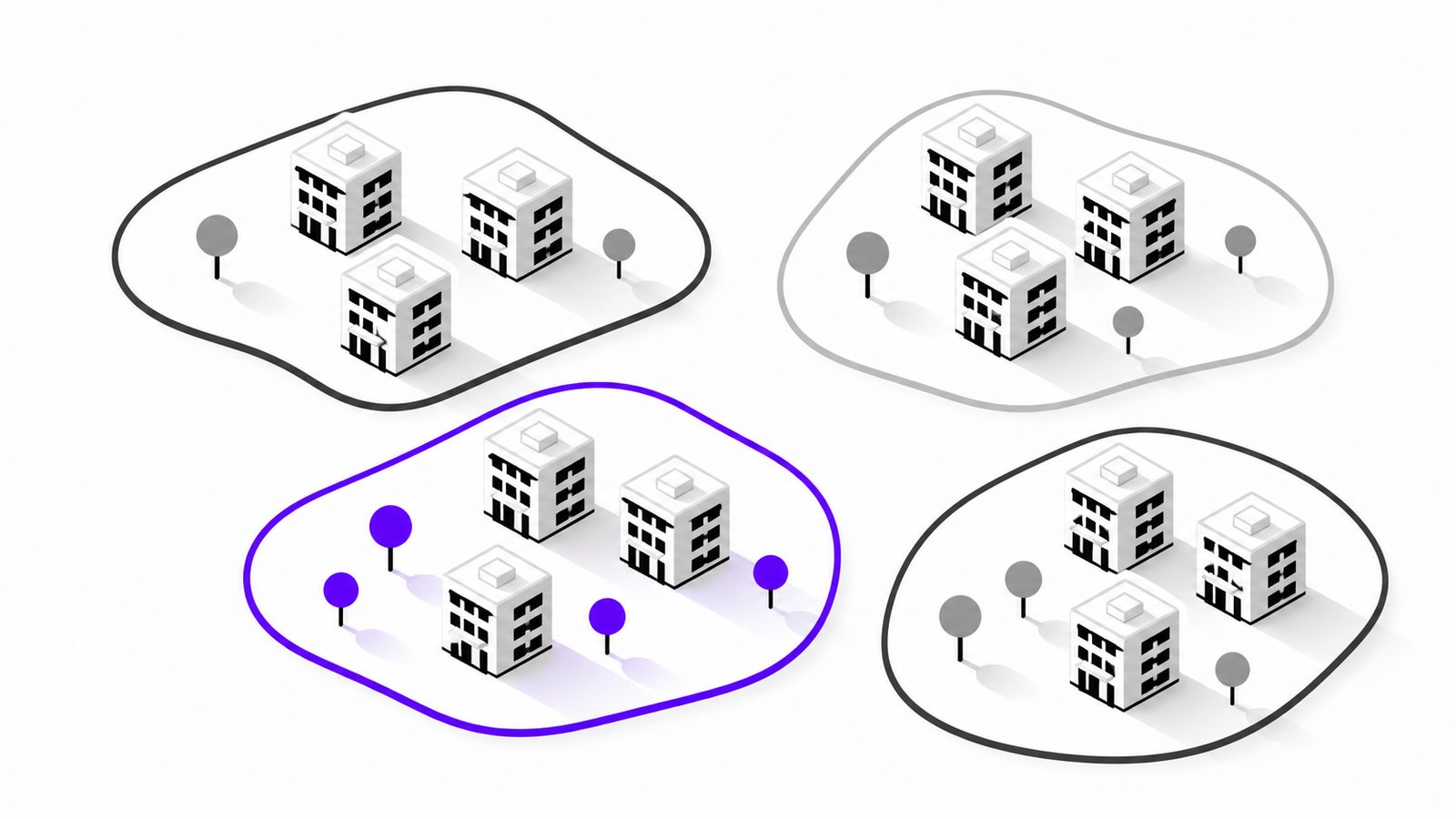
The most powerful tool in any regulated market is the national self-exclusion register. You enrol once, and every operator licensed in that market is legally required to check the register and refuse you service for the duration you chose. That is a very different proposition from excluding at one casino at a time, because it closes the whole licensed market in a single step.
Each market runs its own scheme, and the important detail is always the same: the scheme covers operators licensed in that market, and only those. Below is what each of the main European schemes covers at a factual level.
UK GAMSTOP
GAMSTOP is the national self-exclusion scheme for Great Britain. It covers online operators licensed by the UK Gambling Commission (UKGC). Once you register, every UKGC-licensed site is required to check the GAMSTOP register and block your access for the period you selected. Enrolment is free and done directly through the scheme. Because participation is a licensing condition, taking part is not optional for the operator. You can read more about the UK market on our UK pages.
Sweden Spelpaus
Spelpaus is the Swedish national scheme, run under the regulator Spelinspektionen. It covers operators holding a Swedish licence, which is the requirement to legally offer or advertise gambling to Swedish residents. Enrolment blocks you across the whole licensed Swedish market and also stops direct marketing from those operators. Swedish authentication is built around a national digital ID, which makes enrolment quick and enforcement tight. There is more market detail on our Sweden pages.
Denmark ROFUS
ROFUS is the Danish register, maintained by the regulator Spillemyndigheden. It covers operators licensed to offer gambling in Denmark, which must check the register before opening an account and at login. Danish players enrol through the national digital ID system. As with the other schemes, shorter registrations run for their full fixed term and are not designed to be cancelled part way through.
Netherlands CRUKS
CRUKS is the Dutch central exclusion register, run by the regulator Kansspelautoriteit. It covers operators holding a Dutch licence, which must check CRUKS at each deposit or bet attempt and refuse enrolled players. Dutch players enrol through the national digital ID. CRUKS is a relatively young scheme and its enforcement is strict, with operators facing significant penalties for failing to screen against the register.
The common thread across all four is worth restating because it is the thing players most often misunderstand. A national scheme is only as wide as the licence it is tied to. It reaches every operator inside that regulated market, and it reaches none outside it.
Operator-level self-exclusion versus a national scheme
Alongside the national registers, every licensed operator must offer its own self-exclusion. This blocks only that one site or brand group. It is useful in a few situations: when a single account has become a problem, when your market does not yet have a national scheme, or as a first step before you decide to go market-wide.
The limitation is obvious. Operator-level exclusion leaves every other licensed site open, so it is easy to close one door and simply walk to the next. If your aim is to remove online gambling as an option rather than to manage one troublesome account, the national scheme is the stronger choice, because it does in one enrolment what would otherwise take dozens of separate requests.
A sensible approach is to treat operator-level exclusion as a scalpel and the national scheme as the whole-market switch. Use the first for a specific account, and the second when you want the option gone across the board.
Deposit, loss and wager limits
Limits are the everyday controls that let you keep playing while staying within bounds you set in advance, when you are calm and thinking clearly. Regulated operators offer several kinds, and it is worth understanding the difference, because they cap different things.
A deposit limit caps how much money you can pay into your account over a chosen window, typically per day, per week or per month. It is the most widely used limit and the easiest to reason about, because it maps directly onto the money leaving your bank.
A loss limit caps how much you can actually lose over a period, taking winnings into account. This is subtly different from a deposit limit. You might deposit a modest amount, win, and then lose those winnings plus your stake; a loss limit tracks the net position rather than only what you paid in.
A wager limit, sometimes called a staking or bet limit, caps the total amount you can stake over a period regardless of whether you win or lose. Because the same money can be recycled through many bets, total wagers can be far larger than deposits, so a wager limit speaks to how much action you are putting through rather than how much you are risking net.
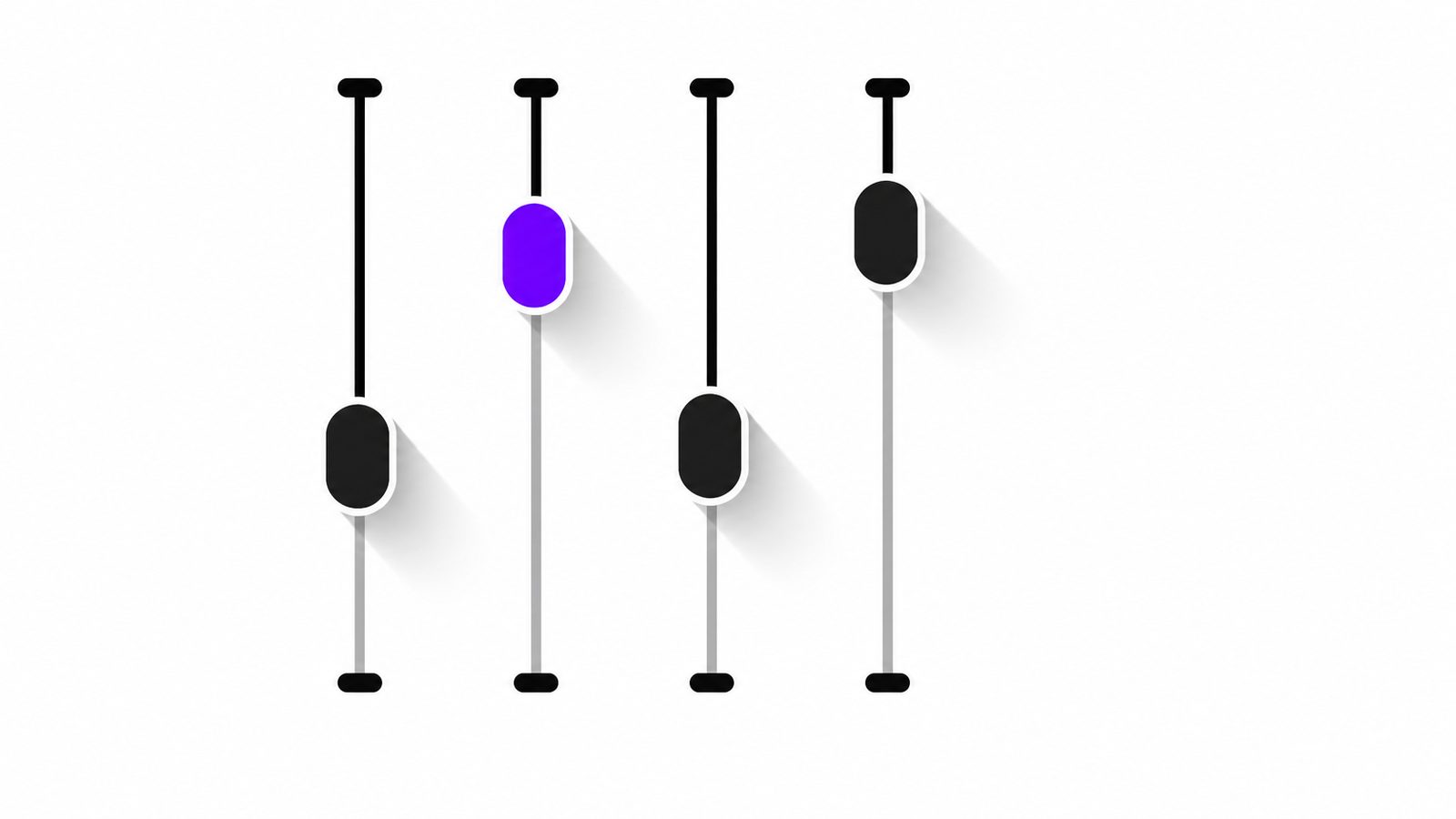
Which to use depends on what you want to control. If your concern is money out of the door, set a deposit limit. If it is the amount you can end up down, a loss limit is more honest. If you find yourself playing for hours and want to cap the churn, a wager limit or a time limit is the better lever. Many players set more than one at once, and there is no harm in that.
Session-time limits and reality checks
Money is only half the picture. Time is the other half, and it is the one players most often lose track of.
A session-time limit caps how long you can stay logged in and playing before the operator ends the session or prompts you to stop. It is a straightforward guard against the sort of long, unbroken sessions in which decisions get worse and stakes tend to creep up.
A reality check is a scheduled reminder that interrupts play, usually with a pop-up, to tell you how long you have been playing and, often, how much you have won or lost in that session. You choose the interval, commonly every 30 or 60 minutes. The point is simply to break the flow and pull you back into an aware, deliberate frame of mind, rather than the trance-like state that continuous play can produce. When the reminder appears, take it at face value: it is a good moment to decide, on purpose, whether to carry on.
Reality checks and time limits are quiet, low-friction tools. They do not stop you playing, but they make sure you are choosing to, which is often all that is needed to stay in control.
How to set limits, and why decreases are instant but increases wait
Setting limits is usually quick. On a licensed site the controls live in a clearly labelled area, often called something like Responsible Gambling, Safer Gambling, or My Limits, inside your account settings. You choose the type of limit, the amount, and the period, then confirm. The change is recorded against your account and enforced by the operator from that point.
There is one rule that trips people up, and it is deliberate. When you decrease a limit, or make it tighter, the change applies immediately. A lower limit is always the safer position, so there is no reason to delay it. When you increase a limit, or make it looser, the change does not take effect straight away. Instead it is held for a cooling-off delay, so that you cannot raise a limit in the heat of the moment and then act on it before you have had time to reconsider. When the delay passes, you are usually asked to confirm again before the higher limit takes hold.
This asymmetry is one of the most useful features of the whole system. It means the safer choice is always available instantly, while the riskier choice is slowed down and made deliberate. When you first set your limits, set them where you would want them on a bad day, not a good one, and let the cooling-off rule do its work if you are ever tempted to loosen them.
What happens to your balance and bonuses when you self-exclude
A common worry is that self-excluding will cost you the money in your account. It should not. Your own funds remain yours, and a licensed operator is expected to let you withdraw your balance when you exclude. A scheme or operator cannot confiscate money you have deposited or genuinely won.
Bonuses and promotional credits are a different matter. Free spins, bonus funds, and other promotional balances are conditional offers rather than money you have paid in, and they are usually forfeited when you self-exclude. That is normal and expected: the promotion existed to encourage continued play, which is exactly what exclusion is designed to stop. If you are sitting on unspent bonus funds and considering exclusion, do not let the bonus be the thing that holds you back. Your health matters more than a promotional balance, and any operator worth using would say the same.
Marketing must also stop. Once you have excluded, a licensed operator should not email, text or otherwise market to you for the duration. If one continues to contact you after you have excluded, that is a compliance failure worth reporting to the regulator.
The biggest gap: unlicensed and offshore sites
This is the single most important thing to understand about every national scheme, so it gets its own section.
A national self-exclusion register binds only the operators licensed in that market. Sites licensed somewhere else, and marketed to you from offshore, are not connected to the register at all. They will not see that you have excluded, and nothing in the scheme stops them from opening an account for you or taking your money. These sites are often promoted precisely to people who have self-excluded, using language that frames them as a way around the block.
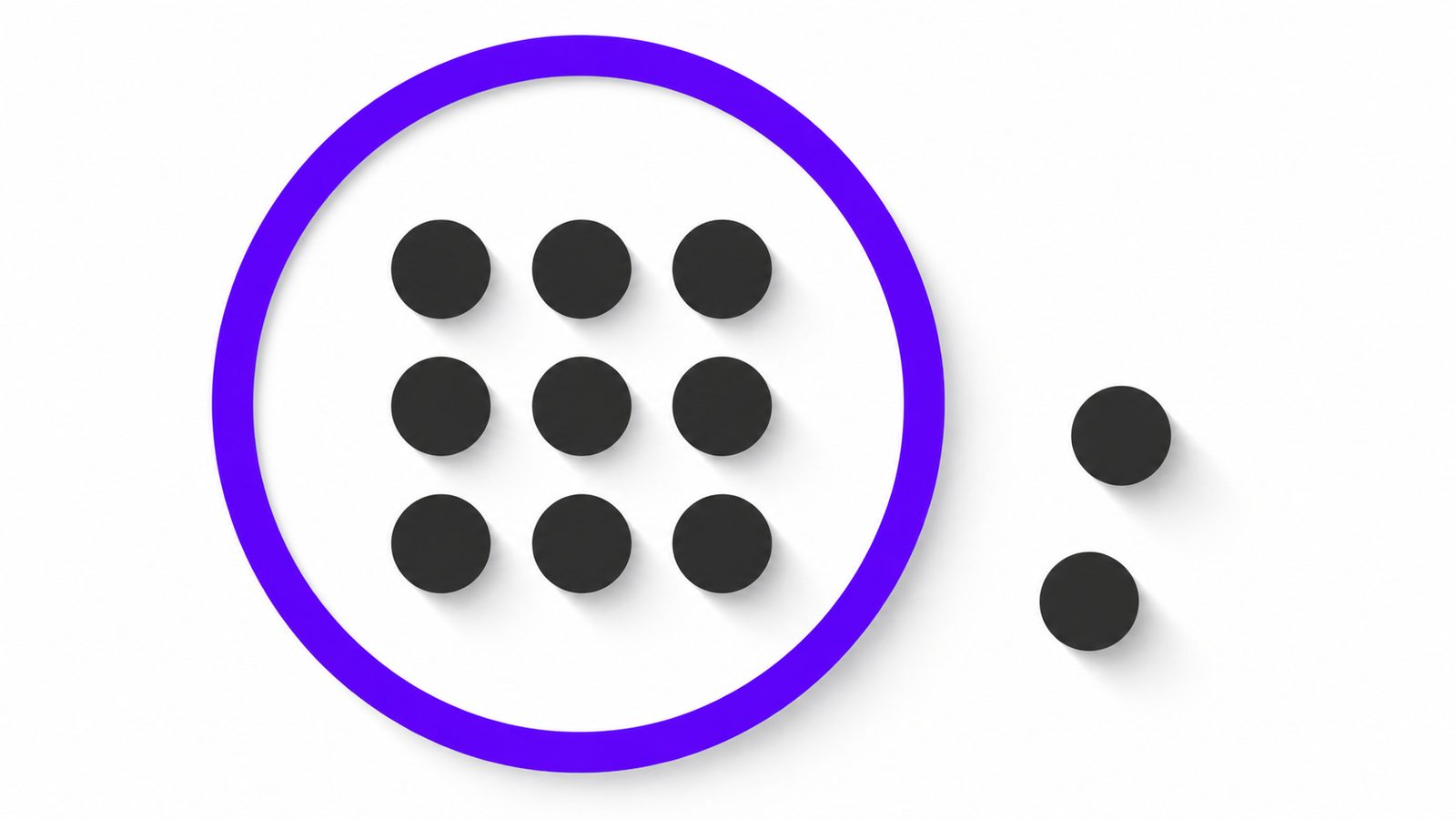
Playing on such a site undoes the protection you set up for yourself. Beyond that, the ordinary player protections of your home market, from dispute resolution to safeguards on your funds, simply do not apply, because the operator is not answerable to your regulator. If you have taken the step of self-excluding, treat any offshore site that invites you to play anyway as exactly the thing your exclusion was meant to keep out. This is also why licensing matters so much in the first place, and it is why we explain how we verify licences before recommending anywhere.
Blocking software as a complementary layer
Because a national scheme cannot reach offshore sites, it is worth adding a second, device-level layer that can. Gambling-blocking software installs on your phone, tablet or computer and prevents the device from loading gambling sites and apps altogether, regardless of where the operator is licensed. Some banks and mobile operating systems now offer similar blocks as a built-in setting.
This kind of blocker complements a national scheme rather than replacing it. The scheme handles the licensed market cleanly; the blocker closes the offshore gap by working at the level of the device itself, so a site cannot load even if it is nowhere near your regulator. Installing a blocker on every device you own, and asking a trusted person to hold any password needed to remove it, turns a paper commitment into a practical one. It is a small amount of setup for a meaningful extra layer of protection.
Affordability checks and safer-gambling messaging
Player protection is not only about the tools you switch on yourself. Regulated operators also carry duties that work in the background.
Affordability and source-of-funds checks are one such duty. When spending reaches certain thresholds, a licensed operator may be required to check that the level of play is sustainable for you, which can mean asking for evidence of income or pausing an account until checks are complete. These checks can feel intrusive in the moment, but they exist to catch harm before it deepens, and an operator that runs them properly is doing its job rather than being awkward.
Safer-gambling messaging is the other. Licensed sites are expected to surface prompts, spend summaries, and clear links to help and to the tools described here. Well-designed messaging is timely and specific rather than a token banner, nudging you to check in on your play at sensible moments. When we assess a site, the quality and prominence of this messaging tells us a great deal about how seriously the operator takes its duty of care.
Supporting a friend or family member
If you are worried about someone else, the same tools are relevant, but the approach is gentler. You cannot self-exclude on another adult's behalf, and you cannot set their limits for them. What you can do is talk, without judgement, and make the tools visible.
Start from concern rather than accusation. Point out that self-exclusion, limits and time-outs are ordinary, free features, and that using them is sensible rather than shameful. Offer to sit with them while they enrol in the national scheme or set a limit, if they want the company. A device-level blocker is one place where you can help directly, by installing it together and holding the removal password if they ask you to.
Look after yourself too. Living alongside someone else's gambling harm is stressful, and the national gambling-support services in most markets offer help for affected friends and family, not only for the person gambling. You are allowed to seek that support for your own sake.
Where to find help
Free, confidential support exists in every regulated market, and it is there whether or not your gambling has reached crisis point. You do not need to justify reaching out.
The most reliable way to find the right service is through your national scheme itself. Each scheme publishes the official helpline and support services for its market on its own site, alongside the enrolment page, so the contact details you find there are the current, correct ones for where you live. Use that route rather than a number from an advert or a search result, because it points you to services that are properly funded and connected to the scheme. These services can help you enrol, talk through your options, and connect you with counselling or peer support if you want it.
If you are helping someone else, the same services can advise you on how to approach the conversation and how to look after yourself.
How we factor safer-gambling tooling into our reviews
When we review the licensed casinos we review, safer-gambling tooling is part of the assessment, not an afterthought. We check that a site is licensed in the market it serves, that it participates in the relevant national self-exclusion scheme, and that operator-level self-exclusion is easy to find and free to use.
We also look at the everyday controls: whether deposit, loss, wager and session-time limits are all offered, whether the decrease-instantly, increase-after-cooling-off rule is honoured, and whether reality checks can be set at sensible intervals. We note how prominent the safer-gambling messaging is, how quickly you can reach the tools from the main screen, and whether the site makes stepping back as easy as stepping in. An operator that buries these features, or makes exclusion harder than deposit, loses marks with us regardless of how good the games are.
The principle behind all of it is simple. Good operators make it as easy to stop as to start, and they treat the tools on this page as part of the service rather than a compliance chore. That is the standard we hold sites to, and it is the standard you are entitled to expect.
A calm closing note
If gambling is causing you or someone you care about harm, please know that help is available and that reaching for it is a strength, not a failure. Free, confidential support exists through your national self-exclusion scheme and through the gambling-support services in your country. The helpline listed on your national scheme's own site is the right place to start, and the people there will not judge you. Whatever has happened so far, the next step is always yours to take, and taking it early costs nothing.